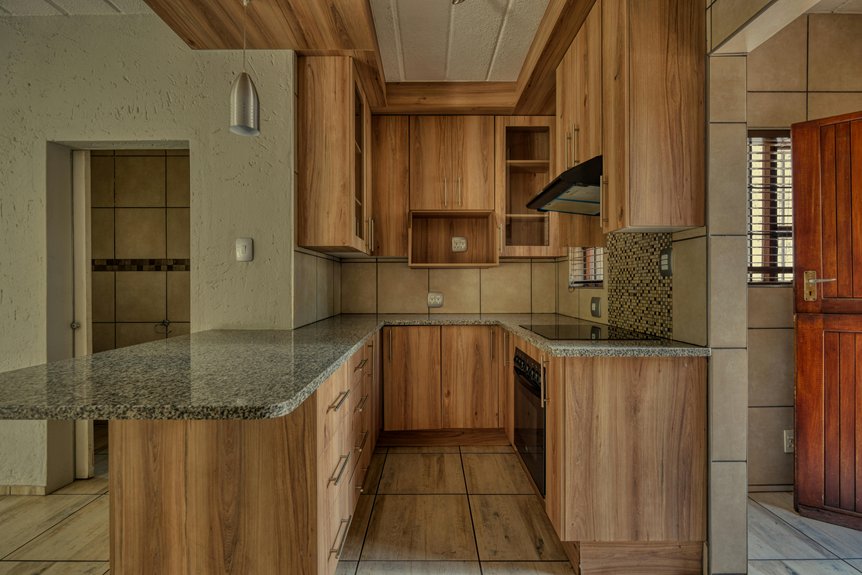

When planning a kitchen remodel in the Bay Area, it’s vital to understand the average costs involved. From cabinetry and countertops to labor and permits, each aspect can greatly influence your budget. You’ll find that expenses can range widely, depending on your choices and the scope of your project. So, what should you expect for each category? Let’s break down the essential costs that could impact your renovation plans.
Key Takeaways
- Average kitchen remodel costs in the Bay Area typically range from $20,000 to $70,000, depending on project scope and material choices.
- Cabinetry usually represents 30-50% of the total remodel budget, influenced by style and installation complexity.
- Flooring material selection can significantly affect costs, with high-end options like hardwood and tile being more expensive than laminate or vinyl.
- Appliance upgrades, particularly energy-efficient models, can enhance functionality and aesthetics while impacting overall budget significantly.
- Plumbing and electrical work add additional expenses, with simple upgrades costing around $100 and complex installations upwards of $500.
Cabinetry and Hardware Costs
When it comes to kitchen remodels, cabinetry and hardware often represent a significant portion of your budget.
Choosing the right cabinet styles can elevate your kitchen’s aesthetic, from sleek modern designs to classic shaker styles. Each option comes with varying price points, so it’s essential to determine what fits your vision and budget.
Don’t overlook hardware finishes either; they can dramatically impact your kitchen’s look. Opt for polished chrome for a contemporary feel or oil-rubbed bronze for a rustic touch.
Countertop Expenses
As you begin your kitchen remodel, countertop expenses can quickly become one of the largest parts of your budget. Choosing the right countertop materials and understanding installation techniques are essential for staying within your financial limits.
Countertop costs can significantly impact your kitchen remodel budget; choose wisely to keep expenses in check.
- Quartz and granite are popular for durability.
- Laminate offers a budget-friendly option.
- Custom installations can elevate your space but may cost more.
When selecting materials, consider both aesthetics and maintenance.
Installation techniques vary, impacting your total cost considerably; complex designs require skilled labor, while straightforward setups may not.
Flooring Installation Prices
When you’re planning your kitchen remodel, flooring installation prices can vary greatly based on the type of material you choose.
High-end options like hardwood or tile usually come with steeper costs, while laminate or vinyl can be more budget-friendly.
Additionally, labor expenses and regional price differences in the Bay Area can further impact your overall flooring budget, so it’s essential to do your research.
Material Types Impact Costs
Choosing the right material for your kitchen flooring can greatly impact your overall remodel costs. Various options exist, each with its own price point and benefits.
- Sustainable materials like bamboo or cork can save you money while being eco-friendly.
- Luxury finishes such as hardwood or marble give a high-end look but can considerably raise costs.
- Vinyl or laminate offers budget-friendly alternatives without sacrificing style.
Labor Expenses Overview
While selecting the right flooring materials is vital, understanding labor expenses for installation is equally important in your kitchen remodel budget.
Labor market trends indicate that skilled workforce demand has surged, causing installation costs to rise. On average, you can expect to pay between $3 to $10 per square foot for flooring installation, depending on the complexity and type of flooring chosen.
It’s important to factor in these labor expenses when planning your remodel. Hiring experienced professionals not only guarantees a quality finish but can also save you time and potential headaches in the long run.
Regional Price Variations
How do regional price variations impact your kitchen remodel budget when it comes to flooring installation? Understanding local market dynamics and regional trends can help you make informed decisions.
- Flooring materials can vary considerably in price depending on your area.
- Labor costs fluctuate based on local demand and contractor availability.
- Shipping fees for materials can add to expenses, especially in remote locations.
Appliance Upgrades
Upgrading your kitchen appliances can greatly enhance both the functionality and aesthetic appeal of your space.
Consider investing in smart appliances that connect to your home network, allowing for remote control and monitoring. These modern devices not only offer convenience but also improve energy efficiency, helping you save on utility bills.
Energy-efficient refrigerators, ovens, and dishwashers often come with advanced features that reduce waste and optimize performance.
When choosing new appliances, think about how they fit your cooking style and design preferences. A well-chosen upgrade can transform your kitchen into a more enjoyable and efficient environment.
Plumbing and Electrical Work
When you’re remodeling your kitchen, plumbing and electrical work are essential components that can greatly impact your budget.
You’ll need to take into account installation costs for new fixtures, as well as any upgrades to your electrical system to accommodate modern appliances.
Don’t forget to factor in permit and inspection fees, which can add to your overall expenses and guarantee everything meets local codes.
Plumbing Installation Costs
Many homeowners underestimate the costs associated with plumbing installation during a kitchen remodel, yet it’s an essential element that can greatly impact your budget.
Here are key factors to take into account:
- Plumbing materials: Quality pipes and fixtures can vary greatly in price.
- Installation techniques: Proper methods guarantee durability and compliance with local codes.
- Labor costs: Hiring experienced plumbers can prevent costly mistakes.
Investing in the right plumbing installation not only enhances functionality but also adds value to your home.
Don’t overlook this critical aspect; a well-planned plumbing setup is essential for a successful kitchen remodel.
Electrical Upgrades Overview
Electrical systems play an essential role in any kitchen remodel, often just as important as plumbing. Upgrading your electrical wiring can enhance functionality and safety. Consider circuit upgrades to meet the demands of modern appliances. Here’s a quick overview of key electrical upgrades:
| Upgrade Type | Description | Estimated Cost |
|---|---|---|
| Electrical Wiring | Replace outdated wiring | $1,500 – $3,000 |
| Circuit Upgrades | Add circuits for appliances | $500 – $1,500 |
| Lighting Fixtures | Install energy-efficient lights | $300 – $800 |
Investing in these upgrades guarantees your kitchen is efficient and safe.
Permit and Inspection Fees
Before you plunge into your kitchen remodel, it’s essential to factor in the costs associated with permits and inspections for plumbing and electrical work.
These fees can vary, so it’s wise to budget accordingly.
- Understand the permit application process to avoid delays.
- Be prepared for multiple inspections during your project.
- Factor in costs for re-inspections if required.
Navigating the inspection process is vital to guarantee your project meets local codes.
This not only assures safety but also protects your investment.
Don’t overlook these expenses; they’re key to a successful remodel.
Backsplash and Wall Treatments
How do you transform your kitchen space with the right backsplash and wall treatments? Choosing the perfect tile options can elevate your kitchen’s aesthetic, making it feel fresh and modern.
Popular design trends include subway tiles for a classic look or bold geometric patterns for a contemporary twist. You might also consider textured materials like shiplap or natural stone for added depth.
Lighting Fixtures and Installation
When it comes to your kitchen remodel, choosing the right lighting fixtures can transform the space and set the perfect mood.
You’ll want to contemplate various types, from pendant lights to recessed options, and factor in installation costs to stay within your budget.
Plus, energy efficiency is key; opting for LED fixtures can save you money in the long run while enhancing your kitchen’s ambiance.
Types of Lighting Fixtures
Choosing the right lighting fixtures is essential for creating both ambiance and functionality in your kitchen remodel. Here are some popular options to take into account:
- Pendant lighting: Perfect for islands and dining areas, offering style and targeted illumination.
- Recessed lighting: Provides a sleek look, ideal for overall brightness without taking up space.
- Chandelier styles: Adds a focal point and elegance, especially in open-concept kitchens.
Don’t forget task lighting for areas like countertops to guarantee you have adequate brightness for meal prep.
Installation Cost Estimates
Selecting the right lighting fixtures is only part of the equation; understanding the installation costs is equally important for your kitchen remodel budget.
Installation costs can vary greatly based on the complexity of the job and the installation materials you choose. For instance, a simple fixture swap might cost you around $100, while a more complex installation can run upwards of $500.
Additionally, consider installation timelines; most projects take between one to three days, depending on the scope.
Energy Efficiency Considerations
As you plunge into your kitchen remodel, don’t overlook the benefits of energy-efficient lighting fixtures and their installation.
These upgrades not only enhance your space but also align with your commitment to sustainability.
- Reduce energy costs with LED lighting
- Pair fixtures with energy efficient appliances
- Choose sustainable materials for a cohesive look
Installing energy-efficient lighting can greatly lower your electricity bills while providing a modern aesthetic.
By opting for sustainable materials in your fixtures, you contribute to a healthier environment.
Making these choices during your remodel guarantees your kitchen is stylish, functional, and eco-friendly for years to come.
Labor Costs
While you may have a budget in mind for your kitchen remodel, labor costs in the Bay Area can considerably impact your overall expenses.
With rising wage trends, hiring skilled contractors can be more expensive than you expect. It’s crucial to factor in these costs when planning your project timelines. A well-timed renovation can help mitigate some of the financial strain, as delays often lead to increased labor charges.
Be sure to get multiple quotes and understand what each contractor includes in their pricing. This way, you can make an informed decision and stay on track with your budget.
Permits and Inspection Fees
Before diving into your kitchen remodel, it’s vital to understand the costs associated with permits and inspection fees, as these can greatly affect your budget.
- Different permit types may be required based on your project’s scope.
- Local jurisdictions often have specific inspection requirements that must be met.
- Neglecting permits can lead to costly fines or project delays.
Researching these fees ahead of time guarantees you won’t be caught off guard.
Always check with your city’s building department to identify necessary permits and associated costs, so you can plan accordingly and keep your remodel on track.
Contingency Budget for Unexpected Expenses
Have you considered how unexpected expenses can impact your kitchen remodel budget?
It’s essential to set aside a contingency budget for these surprises. A good rule of thumb is to allocate 10-20% of your total budget for unexpected expenses. This helps cover unforeseen issues like plumbing surprises or electrical upgrades that may arise.
When planning your remodel, think about potential risks and prepare for them financially. By doing this, you’ll minimize stress and keep your project on track.
Conclusion
In summary, understanding the average kitchen remodel costs across the Bay Area can help you make informed decisions. By budgeting for cabinetry, countertops, flooring, and labor, you can avoid surprises and create your dream kitchen. Don’t forget to factor in permits and set aside a contingency budget for unexpected expenses. With careful planning and multiple quotes, you can achieve a beautiful, functional space that suits your needs and enhances your home’s value. Happy remodeling!