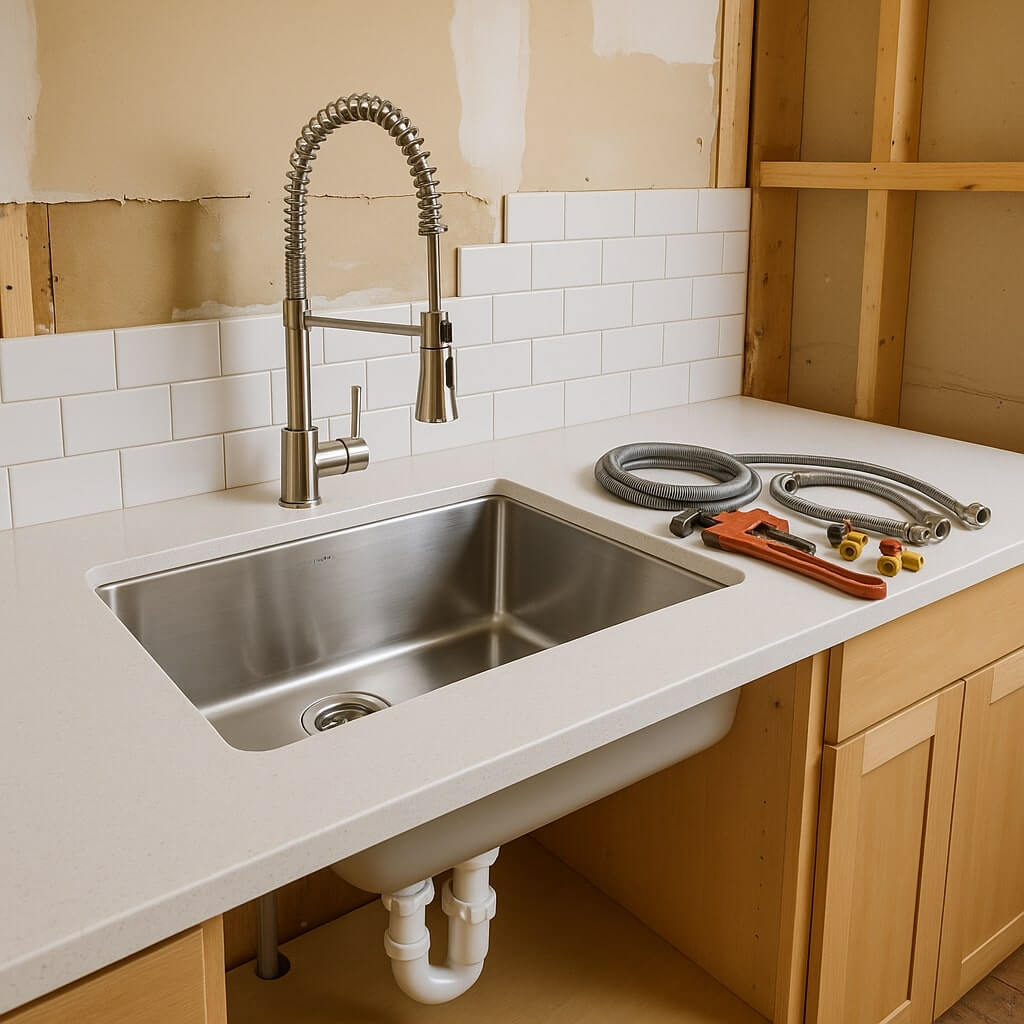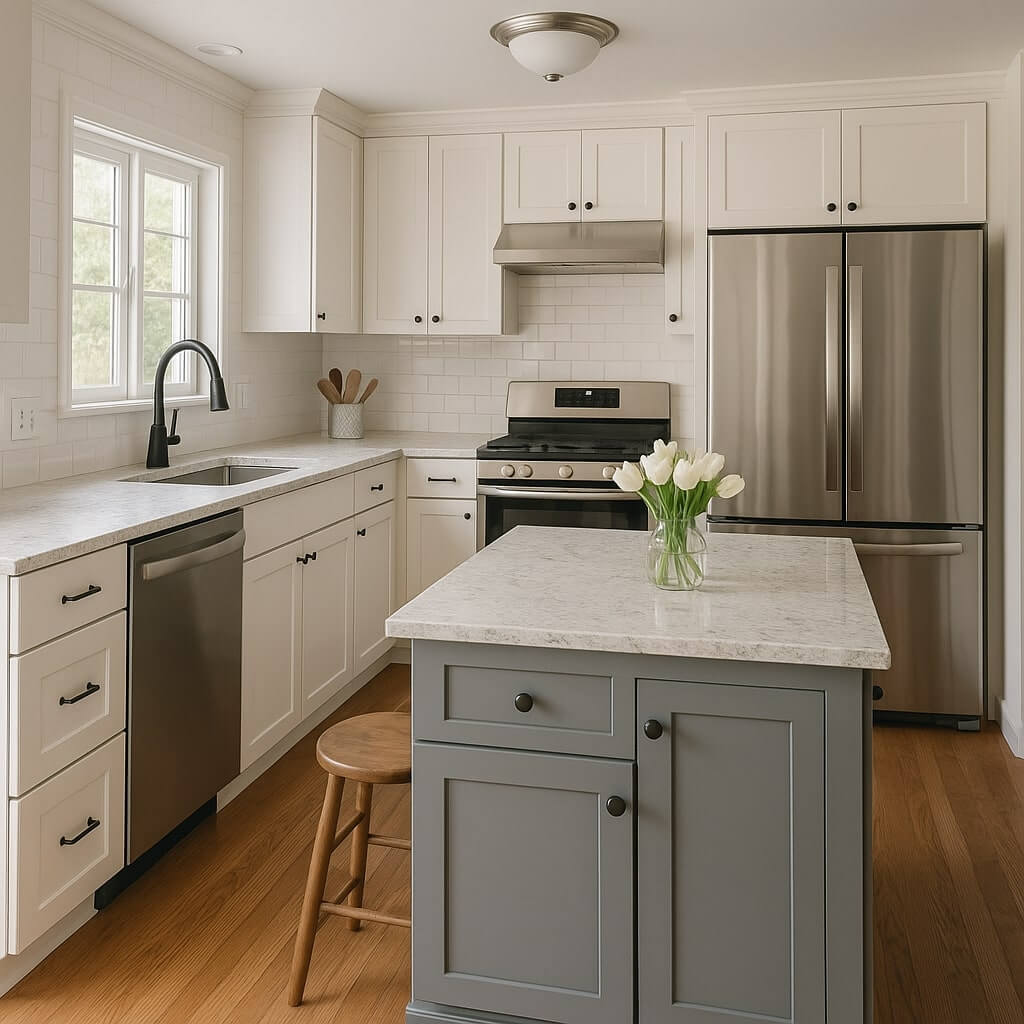
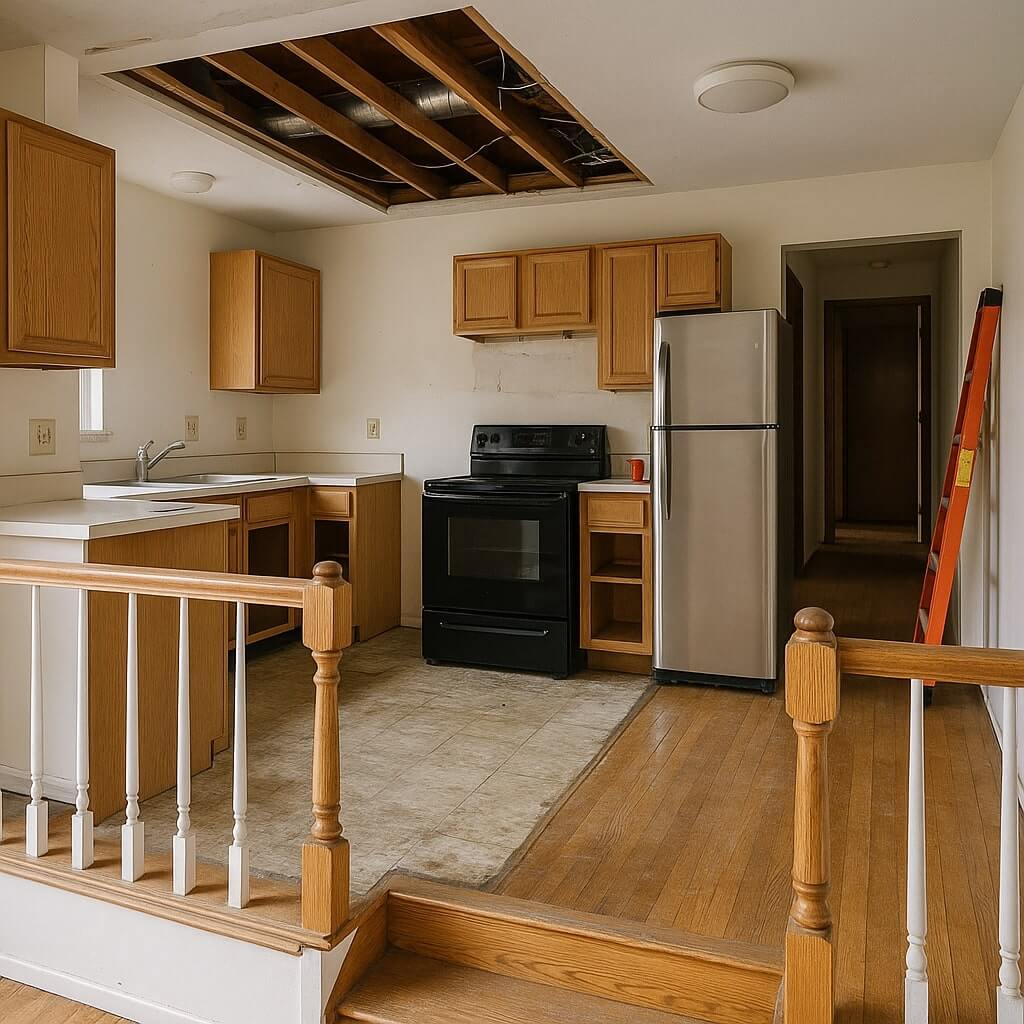
When you tackle a remodel of your split-level kitchen, it’s easy to overlook key elements that can make or break the project. Mistakes in workflow, lighting, and structural considerations can lead to frustration and inefficiency. Additionally, poor storage planning can create clutter, while skipping professional advice often results in costly errors. Understanding these pitfalls is essential for achieving a functional and aesthetically pleasing space. Let’s explore these common missteps further.
Key Takeaways
- Neglecting workflow can lead to inefficiency; ensure main work zones are easily accessible in your split-level kitchen.
- Insufficient lighting can create hazards; incorporate ambient and task lighting for improved safety and functionality.
- Ignoring structural limitations may compromise safety; consult professionals to assess load-bearing walls before making alterations.
- Failing to plan for adequate storage can create clutter; maximize vertical space with shelves and creative cabinetry solutions.
- Skipping professional guidance can result in costly mistakes; enlist experts to ensure cohesive design and effective budget management.
Neglecting the Importance of Workflow
When you’re planning a kitchen remodel, overlooking the importance of workflow can lead to frustration and inefficiency. A well-thought-out kitchen layout is vital for smooth movement and effective cooking.
Consider the traffic patterns that will develop as you and your family navigate the space. Ascertain the main work zones—like prep, cooking, and cleanup—are easily accessible and logically arranged.
Avoid cluttering pathways with unnecessary furniture or appliances. By prioritizing workflow, you create a functional kitchen that enhances productivity and enjoyment, making your remodel a success rather than a source of stress.
Careful planning will pay off in the long run.
Overlooking Lighting Needs
How often do you think about the impact of lighting in your kitchen remodel? Overlooking lighting needs can lead to a less functional space.
You should consider both ambient lighting and task lighting to create a well-balanced environment. Ambient lighting sets the overall mood, while task lighting focuses on specific areas, like countertops and cooking zones.
Without adequate task lighting, you risk accidents and inefficiency during meal prep. Incorporate layers of light, such as pendant fixtures or under-cabinet lights, to enhance both aesthetics and functionality.
Prioritize your lighting design; it’s essential for a successful kitchen remodel.
Ignoring Structural Limitations
Even if you have a vision for your dream kitchen, ignoring structural limitations can derail your remodel before it even starts.
It’s crucial to assess your home’s structural integrity, especially when it comes to load bearing walls. These walls support your home’s weight and altering them can lead to serious issues, including compromised safety.
Before making changes, consult a structural engineer or architect to verify your plans are feasible. This step not only protects your investment but also guarantees a functional design that adheres to building codes.
Prioritize structural considerations to achieve your ideal kitchen without unwelcome surprises.
Failing to Plan for Storage
Overlooking storage during a kitchen remodel can turn your dream space into a cluttered nightmare. To avoid this, think strategically about maximizing verticality.
Utilize wall space for shelves or cabinets that reach the ceiling. This not only creates more storage but also draws the eye upward, making your kitchen feel larger.
Incorporate creative cabinetry solutions, like pull-out drawers or corner units, to make the most of every nook.
Consider your cooking habits and daily needs—tailor your storage solutions accordingly.
Skipping Professional Guidance
While you might feel confident in your DIY skills, skipping professional guidance during a kitchen remodel can lead to costly mistakes.
Professionals bring expertise in budget considerations and design styles that you may overlook. They can help you prioritize investments, ensuring you allocate funds efficiently for high-impact areas.
Additionally, they understand how to blend various design styles harmoniously, creating a cohesive look. Without their insights, you might choose materials or layouts that don’t suit your home or budget.
Ultimately, consulting a professional can save you time, money, and stress, making your remodel a successful and enjoyable experience.
Conclusion
To guarantee a successful split-level kitchen remodel, it’s crucial to avoid these common pitfalls. Prioritize workflow, lighting, and structural integrity while planning for adequate storage. Don’t underestimate the value of professional guidance to create a cohesive and functional space. By addressing these key areas, you can enhance both the usability and aesthetic appeal of your kitchen, ultimately leading to a more enjoyable cooking experience and a home that meets your needs.