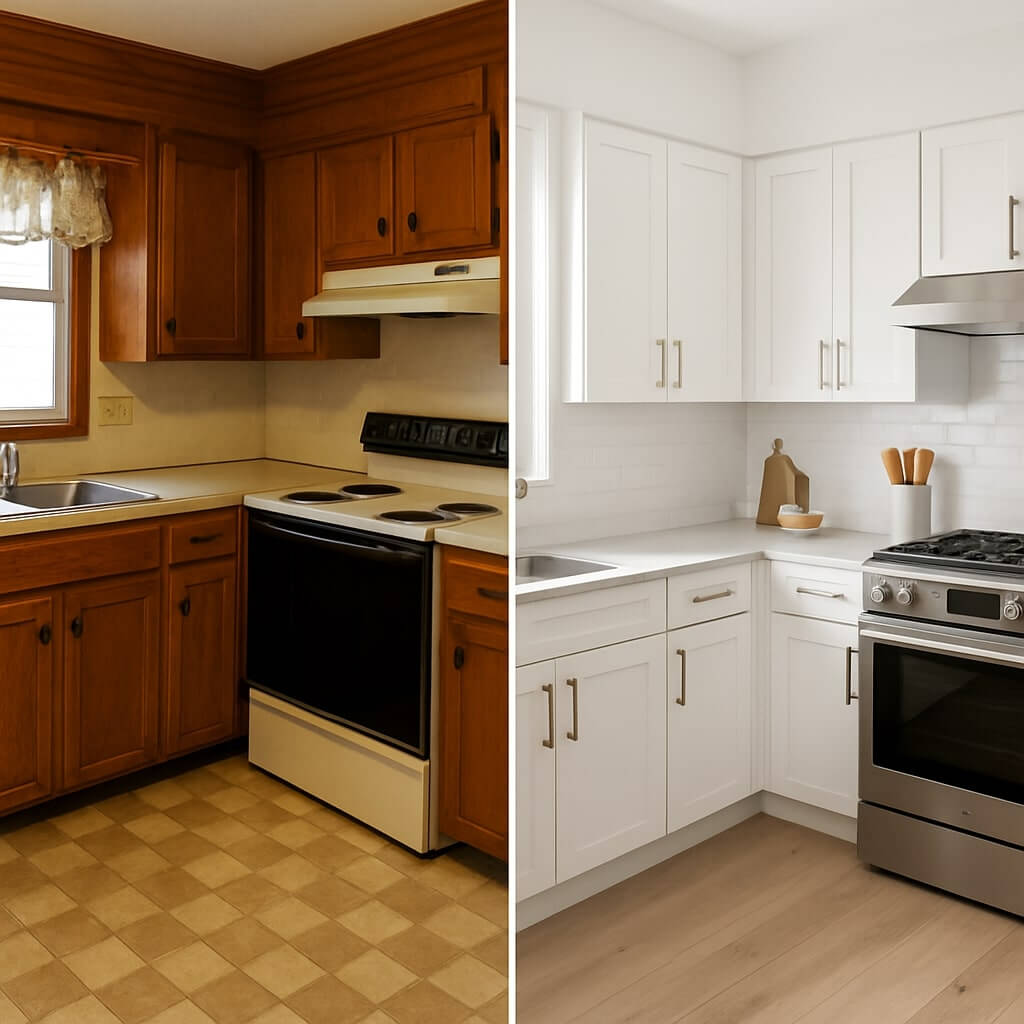
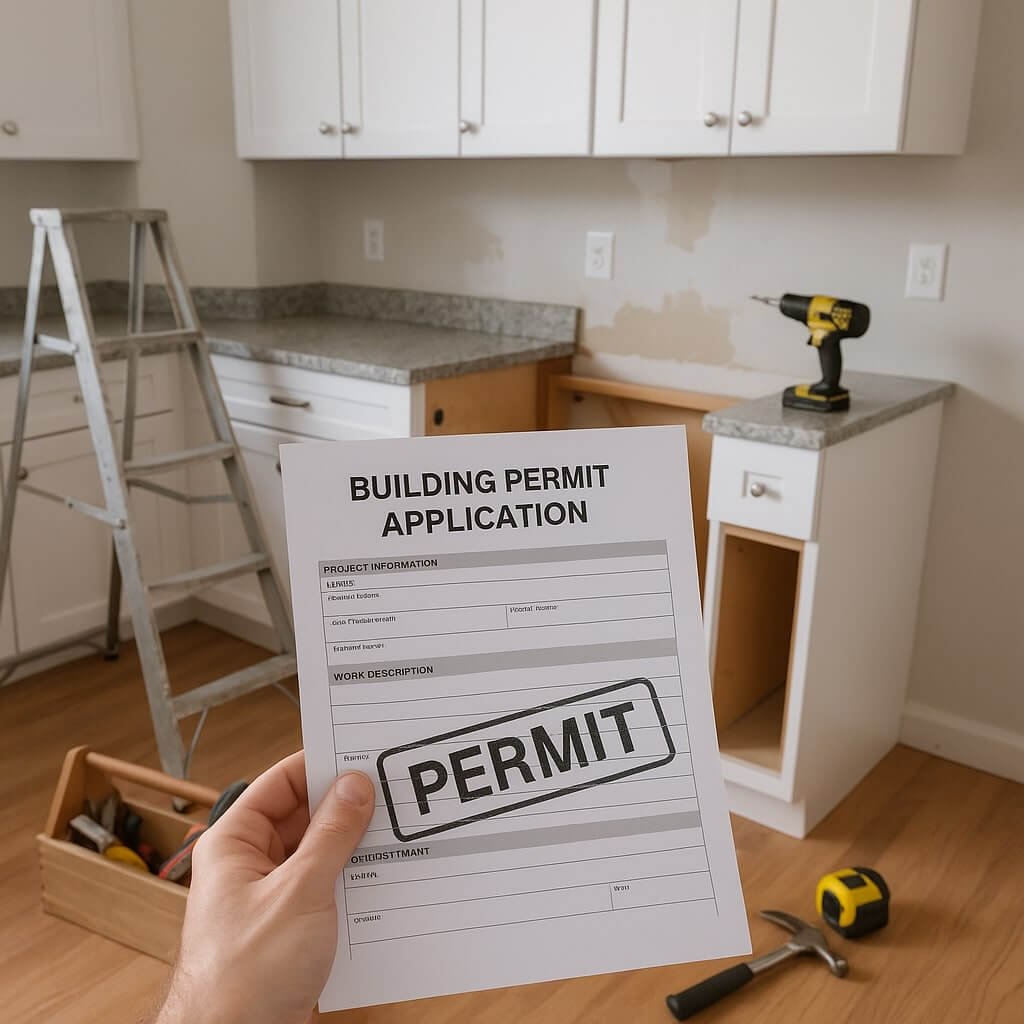
When planning your kitchen remodel, it’s essential to take into account whether you need a permit. Certain renovations can trigger requirements that vary by location, and skipping this step can lead to complications. Understanding the types of projects that typically need permits can save you from potential legal issues down the line. So, what exactly does your specific project entail? Let’s explore the details that could affect your remodel plans.
Key Takeaways
- Permits are typically required for major changes like moving walls, altering doorways, or significant plumbing and electrical work in the kitchen.
- Check with your local building department to confirm which specific permits are necessary for your kitchen remodeling project.
- Permits ensure compliance with local regulations and building codes, helping to avoid legal issues and costly fines.
- Skipping permits can lead to project delays, increased insurance costs, and potential legal repercussions for violating building codes.
- Always prioritize obtaining the necessary permits to ensure a safe and successful kitchen remodel.
Understanding the Importance of Permits
When you initiate a kitchen remodel, understanding the importance of permits can save you time and money. Securing the right permits guarantees your project complies with local regulations, giving you peace of mind.
One of the key permit benefits is that it helps avoid costly delays or fines down the line. During project planning, consider how permits can impact your timeline and budget.
They also validate your work, which is vital if you ever decide to sell your home. Ultimately, being proactive about permits sets a solid foundation for a successful remodel, keeping everything on track and within legal boundaries.
When Permits Are Typically Required
Knowing when permits are typically required can make a significant difference in your kitchen remodel planning.
If you’re changing your kitchen layout, like moving walls or altering doorways, you’ll likely need a permit. Additionally, any plumbing changes—such as relocating sinks or installing new fixtures—often require approval.
Electrical work, including adding outlets or changing circuits, is another common area that necessitates permits. Even minor alterations can trigger permit requirements, so it’s crucial to check with your local building department.
Common Kitchen Remodeling Projects That May Need Permits
While not every kitchen remodel requires a permit, several common projects do.
If you’re planning plumbing updates, like relocating pipes or installing new sinks, you’ll likely need a permit. Similarly, electrical upgrades, such as adding new outlets or changing the layout of your lighting, often necessitate permits to guarantee safety and compliance.
Structural changes, like removing walls or altering windows, also generally require official approval.
It’s essential to check with your local building department before starting these projects to avoid potential fines or issues down the line. Always prioritize safety and legality in your kitchen remodel plans.
Local Regulations and Building Codes
Before you plunge into your kitchen remodel, it’s essential to understand local regulations and building codes. Ignoring these can lead to costly setbacks.
Here are four key areas to take into account:
- Zoning Laws: Check if your remodel complies with local zoning restrictions.
- Building Codes: Confirm your plans meet safety and construction standards.
- Permits: Determine which permits are necessary for your project.
- Inspection Requirements: Be prepared for inspections at various stages to guarantee compliance.
The Permit Application Process
When you start your kitchen remodel, understanding the permit application process is essential.
You’ll need to identify the types of permits required and follow the necessary steps to submit your application.
Getting this right guarantees your project stays compliant and on track.
Types of Required Permits
Understanding the types of required permits is essential for a smooth kitchen remodel process. You’ll need to identify which permits apply to your project.
Here are four common types you may encounter:
- Building permits: Necessary for structural changes or major renovations.
- Electrical permits: Required for any electrical work, guaranteeing safety standards.
- Plumbing permits: Needed for new plumbing installations or significant modifications.
- Mechanical permits: Required for HVAC system changes or installations.
Getting these permits helps guarantee your remodel complies with local regulations and can prevent costly delays down the line.
Application Submission Steps
Steering through the permit application process can feel overwhelming, but breaking it down into clear steps makes it manageable.
First, gather all your application requirements, which may include detailed plans, specifications, and contractor information.
Next, complete the application form accurately to avoid delays.
Submit your application to the local building department, adhering to their submission timeline to guarantee prompt processing.
After submission, be prepared for potential reviews or revisions requested by officials.
Finally, once approved, you’ll receive your permit, allowing you to start your kitchen remodel with confidence.
Don’t skip these steps; they’re vital for a successful project.
Consequences of Skipping Permits
Skipping permits for your kitchen remodel might seem like a tempting shortcut, but it can lead to serious consequences.
Here’s what you might face:
- Legal repercussions: You could be held liable for violating local building codes.
- Financial penalties: Fines can quickly add up if you’re caught without a permit.
- Increased insurance costs: Your homeowner’s insurance may not cover unpermitted work.
- Project delays: Authorities may halt your project until you obtain the necessary permits, causing frustration and extra costs.
Avoid these pitfalls by ensuring you follow proper permitting procedures before starting your remodel.
Tips for a Smooth Permitting Experience
When you’re preparing for a kitchen remodel, keeping your permitting process smooth can save you time and hassle down the road.
Start with thorough permit preparation: research local regulations and gather necessary documents early. Stay organized to avoid last-minute scrambles.
Maintain open contractor communication throughout the project; your contractor should be familiar with the permitting process and can help navigate it efficiently. Share your plans and ask questions to make certain everyone’s on the same page.
Finally, follow up with your local permitting office to track progress and address any issues promptly. This proactive approach can lead to a stress-free remodeling experience.
Conclusion
In summary, securing the right permits for your kitchen remodel is essential for ensuring compliance with local regulations and avoiding potential legal issues. Always check with your local building department to confirm which projects require permits. By understanding the process and planning ahead, you can streamline your remodeling experience and safeguard your investment. Don’t skip this important step—it’s vital to a successful kitchen transformation that meets safety standards and enhances your home’s value.