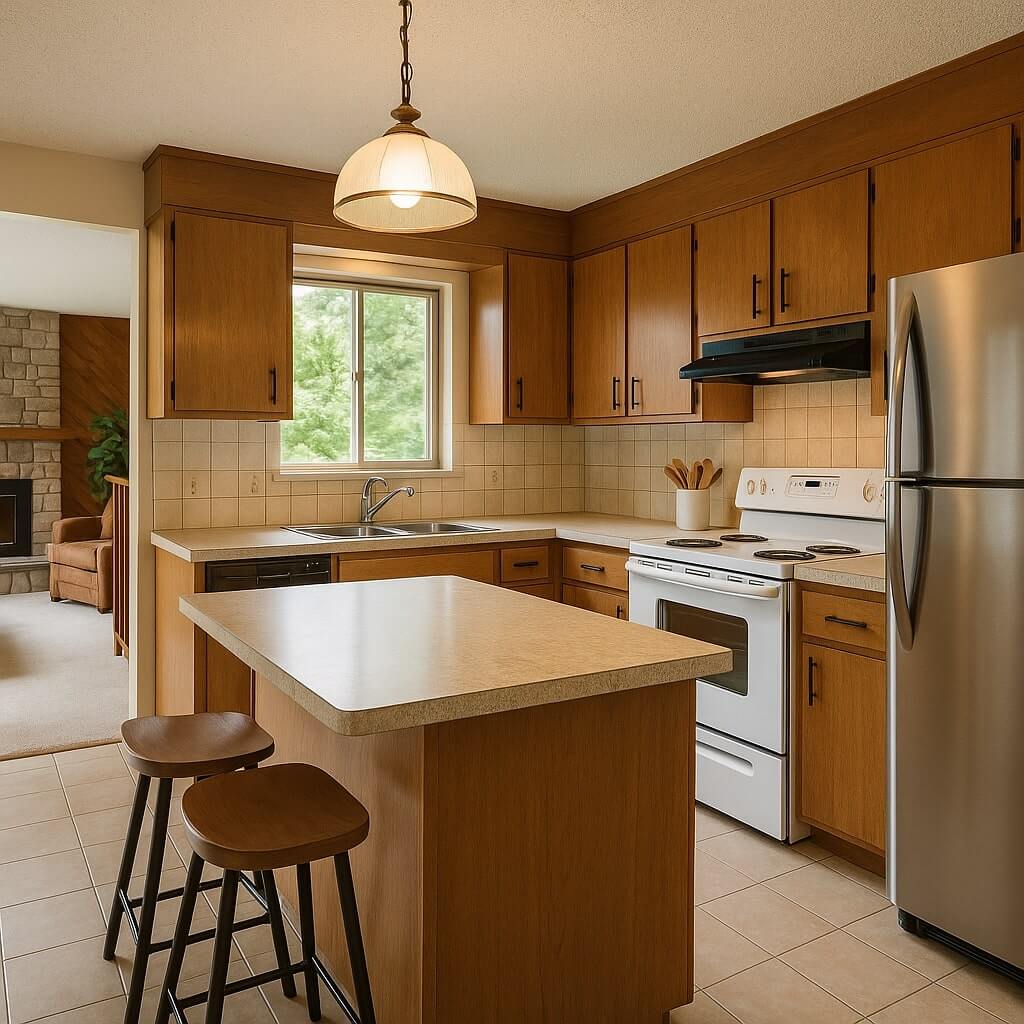

Planning a kitchen remodel can feel overwhelming, but focusing on three key factors can simplify the process. You’ll want to set a realistic budget, evaluate your kitchen’s layout for better functionality, and select durable materials that fit your style. These considerations will lay the groundwork for a successful renovation. So, what’s the best way to tackle each of these aspects effectively? Let’s break them down one by one.
Key Takeaways
- Establish a realistic budget by identifying costs for materials, labor, and potential unexpected expenses.
- Assess the current kitchen layout to ensure it promotes efficient cooking and entertaining flow.
- Choose durable materials and finishes that balance aesthetics and functionality for long-lasting results.
- Monitor project progress regularly to stay within budget and track completion of key milestones.
- Finalize design elements to ensure cohesion and enhance the overall kitchen experience before installation.
Establishing Your Budget
Before diving into your kitchen remodel, it’s essential to establish your budget, as this will guide every decision you make along the way.
Start by identifying your budget constraints, considering both your financial limits and desired upgrades. Create a detailed list of all potential expenses, including materials, labor, and unexpected costs.
Use expense tracking tools or apps to monitor spending throughout the project, ensuring you stay within your budget. This proactive approach helps you prioritize must-haves versus nice-to-haves, making your remodel both enjoyable and financially manageable.
Assessing Kitchen Layout and Functionality
How well does your current kitchen layout serve your cooking and entertaining needs?
Evaluating functionality is vital, especially in an open concept design. Consider these factors:
Evaluating your kitchen’s functionality is essential, particularly in open concept spaces, to enhance both cooking and entertaining experiences.
- Traffic Flow: Guarantee the kitchen allows easy movement between cooking, dining, and entertaining areas. Avoid bottlenecks.
- Work Triangle: Position your sink, stove, and refrigerator for efficient cooking. This classic layout saves time and effort.
- Zoning: Create distinct areas for prep, cooking, and socializing. This enhances usability and makes your kitchen more inviting.
Examine these elements to optimize your kitchen’s layout and functionality, making it a joy to cook and entertain.
Choosing the Right Materials and Finishes
When you’re selecting materials and finishes for your kitchen remodel, it’s essential to evaluate both aesthetics and durability.
Think about how each choice impacts your kitchen’s overall look and how well it’ll hold up over time. For countertops, consider options like quartz or granite for their exceptional material durability.
Cabinets should balance style with stain-resistant finishes to maintain their beauty. Don’t overlook flooring—choose materials that can withstand heavy foot traffic while complementing your design.
By prioritizing both finish aesthetics and material durability, you’ll create a stunning kitchen that stands the test of time.
Happy remodeling!
Conclusion
Before diving into your kitchen remodel, make sure you’ve covered these three essential considerations. By setting a realistic budget, evaluating your kitchen layout for better functionality, and selecting durable materials, you’ll lay the groundwork for a successful renovation. Taking the time to plan strategically means you’ll create a space that’s not only beautiful but also works hard for you. So, roll up your sleeves, and get ready to transform your kitchen into the heart of your home!